Norwegian Fjords Cruise Packing List – UK Guide 2026
This guide contains paid links to Amazon, marked “(paid link)” and in Useful kit.
Quick answer
Pack for a Norwegian Fjords cruise in layers: a breathable base layer, a fleece or warm mid-layer and a waterproof jacket with a hood, plus waterproof shoes with good grip, a warm hat and gloves for scenic cruising on deck, and binoculars. Even in July and August the weather can change quickly and it can be cold on deck, so pack for rain whatever the forecast says. Most evenings on board are smart casual, with formal wear only if your line holds formal nights.
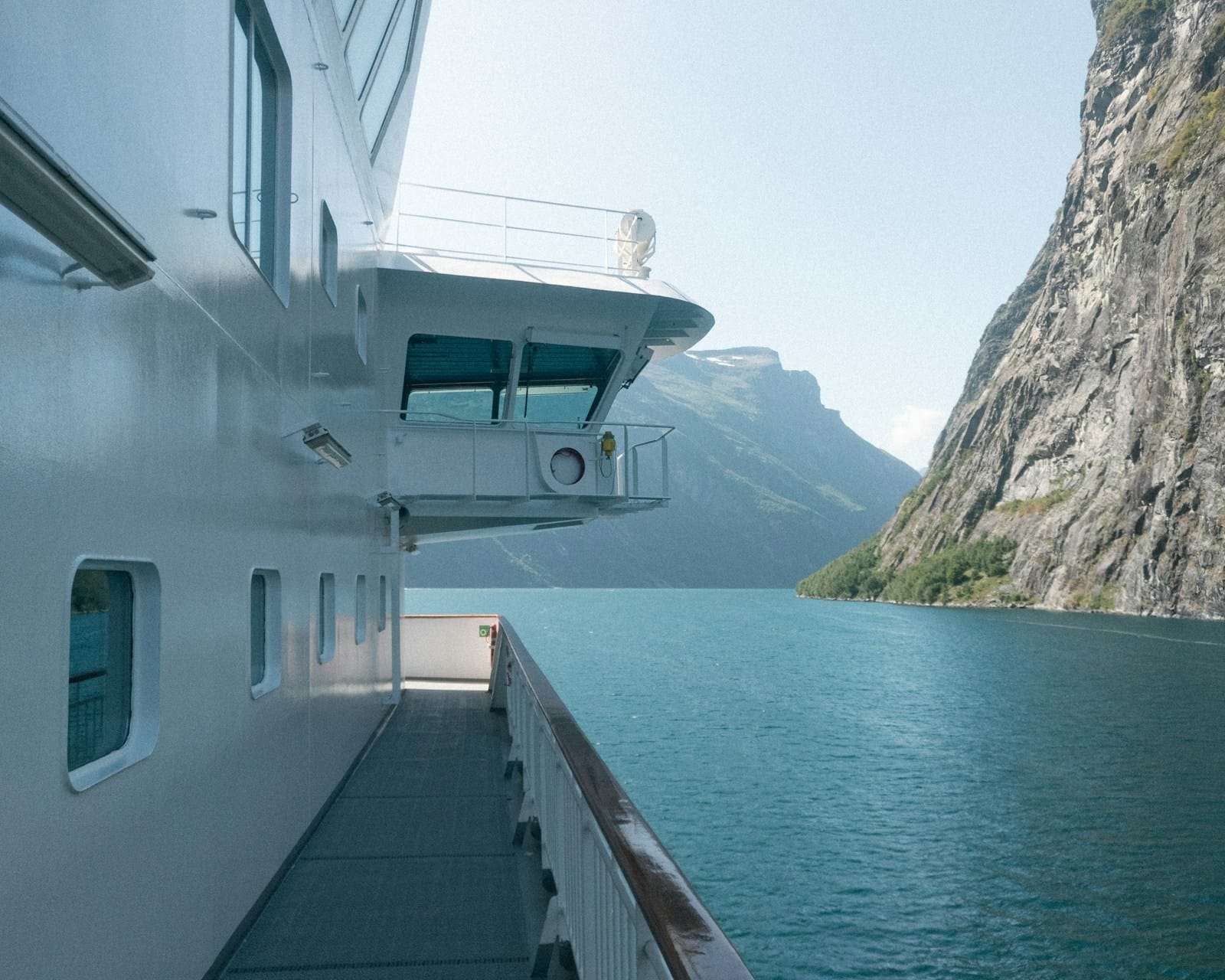
Fjord cruises are among the easiest to reach from the UK – many sail straight from Southampton, Dover, Newcastle or other UK ports – but they are also the ones UK travellers most often under-pack for. The scenery is best enjoyed outside on deck, and the weather in western Norway is famously changeable.
This guide covers what is different about a fjords or Northern Europe cruise. For the basics, start with our complete cruise packing list.
Norwegian Fjords cruise packing checklist
The short version. Each item is explained below.
| Category | Must-haves |
|---|---|
| Outer layer | Waterproof jacket with a hood |
| Mid-layer | Fleece, light insulated jacket or wool jumper |
| Base layers | T-shirts and long-sleeve tops; thermals in May and September |
| Trousers | Quick-drying walking trousers; waterproof over-trousers if hiking |
| Shoes | Waterproof, grippy walking shoes plus a spare pair |
| Warmth | Hat, gloves, scarf or neck warmer |
| Sun | Sunglasses and sun cream – yes, even in Norway |
| Bags | Small day backpack, dry bag or phone pouch for rain |
| Viewing | Binoculars, camera, spare batteries |
| Evenings | Smart-casual outfits, formal wear if your line requires it |
| Sleep | Eye mask for light summer nights |
| Documents | Passport, insurance, GHIC, payment card |
What to wear on a Norwegian Fjords cruise: why layers matter
On a single day you might stand on an open deck in a cold wind at breakfast, walk up a steep trail in sunshine at lunchtime, and get caught in a downpour in the afternoon. One heavy coat can’t cope with that; three thin layers can.
| Layer | What it does | Good options |
|---|---|---|
| Base | Moves moisture away from your skin | Merino or synthetic long-sleeve tops; thermals in spring and autumn |
| Mid | Traps warmth | Fleece, light down or synthetic insulated jacket, wool jumper |
| Outer | Keeps out wind and rain | Breathable waterproof jacket with a hood |
Add or remove layers through the day rather than dressing for the coldest moment. How much is enough? For most summer cruises, one waterproof, one or two mid-layers and a mix of T-shirts and long-sleeve tops covers everything. If you feel the cold, add a thermal top and leggings – they weigh almost nothing.
What jacket to take
A waterproof jacket with a hood (opens in a new tab) (paid link) is the single most important item for a fjords cruise. Look for:
- Waterproof, not just “showerproof” – Norwegian rain can be heavy and long-lasting.
- A proper hood that stays on in the wind, so you don’t need to juggle an umbrella on deck.
- Room for a fleece underneath. A shell plus a fleece is more versatile than one thick coat, and packs smaller.
- Packable if you’re flying, so it fits in your day bag when the sun comes out.
You don’t need a heavy winter parka for a summer cruise. Save that for northern itineraries in the colder months.
Fleece and mid-layers
A fleece jacket (opens in a new tab) (paid link), a light insulated (“puffer”) jacket or a wool jumper is your warmth layer. Two thinner mid-layers give more options than one thick one. Wear one under your waterproof on deck, and on its own for a dry walk ashore.
T-shirts, base layers and trousers
- T-shirts for warm spells and inside the ship
- Long-sleeve base layers (opens in a new tab) (paid link)
- Thermals for cruises in May or September, or if you feel the cold
- Quick-drying walking trousers – avoid jeans for wet days ashore, as they get cold and heavy
- Waterproof over-trousers if you plan to hike
- Swimwear – many ships have heated pools and hot tubs
Shoes and socks for fjord excursions
- Waterproof walking shoes (opens in a new tab) (paid link) or boots with good grip
- A second pair of shoes, in case one pair gets soaked
- Walking socks (opens in a new tab) (paid link), plus a spare pair in your day bag
- Evening shoes
- Sandals or sliders for the pool and spa
What shoes should you wear? Waterproof walking shoes or lightweight boots with a grippy sole are best. Popular excursions, such as walks around Geiranger, Flåm or Olden, can involve wet, uneven paths, and paths near waterfalls are often slippery with spray. Proper grip matters more than looks, and trainers that soak through will make for a long, cold day. Break new shoes in before you go.
Wool or synthetic walking socks stay warmer when damp than cotton. A dry pair of socks in your bag is a small luxury on a rainy port day.
Hat, gloves, umbrella and sun protection
- Warm hat, gloves and a scarf or neck warmer
- A compact umbrella (opens in a new tab) (paid link) for town walks
- Sunglasses (opens in a new tab) (paid link) – light reflecting off water and snow can be bright
- Sun cream (opens in a new tab) (paid link) and SPF lip balm
Is it cold on deck? Often, yes – even in July. Wind on an open deck, especially when the ship is moving or high up, can make it feel far colder than on land, and early-morning fjord sailings are usually the chilliest time. A hat and gloves are worth packing in every month.
An umbrella is useful in a town such as Bergen but no help on a windy deck or a narrow trail, where a hood works better. Don’t skip sun protection: long summer days, reflection from water and snow, and cool air that hides how much sun you’re getting can all catch you out.
How packing changes from May to September
Fjord weather varies a lot by location, altitude and year. The coast around Bergen is famously wet, inner fjords can be warmer and drier, and mountain viewpoints are much colder than the quayside below. Rain is possible in any month. Use this as a guide, and check a local forecast, such as Yr from the Norwegian Meteorological Institute and NRK, in the days before you sail.
| Month | What to expect | Pack the emphasis on |
|---|---|---|
| May | Cool, fresh days and cold evenings; snow still lingers on the mountains, and some high viewpoint roads open only once the snow is cleared | Thermals, warm mid-layer, hat and gloves, waterproof shoes |
| June | Longer, milder days and the lightest nights; still cool on deck and at altitude | Layers, waterproof jacket, eye mask, sun protection |
| July | Usually the warmest month, with some genuinely warm spells – but rain and cold wind are still common | T-shirts plus a fleece and waterproof; don’t leave the hat and gloves at home |
| August | Similar to July, with warm days possible and wetter spells | As July, with waterproof shoes and a dry bag for excursions |
| September | Cooler days, colder evenings, shorter daylight and a higher chance of rain and wind | Thermals, a warmer mid-layer, waterproof over-trousers for walks, gloves |
Evening clothing through the season: the ship is heated, so evening outfits don’t need to change much. But if you like to step out on deck after dinner, take a jumper or wrap in May, June and September – and a coat if you want to watch a late sailaway.
Rainy port days, viewpoints and waterfalls
- Rainy port days: Bergen is one of the wettest cities in Europe, so plan for rain whatever the forecast says (see Visit Bergen’s weather page). A waterproof, a hood and waterproof shoes let you enjoy the day; an umbrella helps in town.
- Fjord viewpoints: viewpoints reached by road, such as those above Geiranger, are much higher and colder than the village, and can be windy or in cloud. Take your warm layer and hat even if it’s mild at sea level.
- Waterfalls: standing close to a big waterfall means spray, and paths nearby are slippery. A waterproof jacket and grippy shoes matter more here than anywhere.
- Walking-heavy excursions: trails can be steep, rocky and wet. Wear proper walking shoes, carry water and a snack, and leave enough time to get back to the ship.
- Sudden changes in weather: sunshine can turn to heavy rain in minutes. Keep your waterproof in your bag, not in the cabin, and keep layers you’ve taken off dry.
Tender ports
Some fjord villages, such as Geiranger, may be served by tender boats or a floating walkway rather than a quayside berth, depending on your ship. Tender boats can be open to the weather and you may need to step between a moving boat and a pontoon, so wear grippy shoes and keep your hands free.
Day bag, water bottle and keeping electronics dry
- A small day backpack (opens in a new tab) (paid link) for the layers you take off ashore
- A reusable water bottle (opens in a new tab) (paid link) – fill it on board before you go ashore
- A waterproof phone pouch (opens in a new tab) (paid link) for rain, spray and boat trips
- A dry bag (opens in a new tab) (paid link) or bag liner to keep spare layers, cameras and documents dry
- A power bank (opens in a new tab) (paid link), if your cruise line allows it – cold weather drains batteries faster
Most day backpacks aren’t fully waterproof. A dry bag inside, or a rain cover, keeps the contents dry on a wet day. Wipe phones and cameras dry before you go back inside the warm ship, to limit condensation.
If you’re flying, power banks and spare lithium batteries must go in your hand luggage, not your checked suitcase, according to the UK Civil Aviation Authority. Some cruise lines also restrict power banks on board – check your line’s policy, and our guide to what not to pack, before you buy one.
Scenic cruising and wildlife
- Binoculars (opens in a new tab) (paid link)
- Camera with spare batteries (cold drains batteries faster)
- A lens cloth and rain cover
Some of the best scenery passes by while the ship is sailing in and out of the fjords, often early in the morning or late in the evening. Keeping a warm layer and a hat by the cabin door means you can get outside quickly. Binoculars genuinely help here: they bring waterfalls, mountain farms, eagles and the occasional porpoise much closer.
Light nights in summer
Around midsummer it barely gets dark in much of Norway, and on cruises that head north to places such as Tromsø or the North Cape you may experience the midnight sun. If you are a light sleeper, pack an eye mask (opens in a new tab) (paid link) – particularly if you have a balcony or outside cabin.
Evening and formal wear on board
Inside the ship, it’s warm, so evening clothes are the same as on any other cruise. Most evenings are smart casual, and many lines also hold one or more formal or “elegant” nights.
- Smart-casual evening outfits
- Any formal-night outfits your line requires
- Evening shoes
- A wrap, jumper or jacket if you plan to go on deck after dinner
Formal nights are common on British-style lines that sail to Norway from Southampton, such as P&O Cruises and Cunard. Our guide to what to wear on a cruise formal night explains each line’s dress code.
Cabin essentials for a fjords cruise
Wet jackets and boots take up space in a small cabin.
- A few spare hangers to dry waterproofs in the bathroom
- Packing cubes to keep layers organised
- A travel adapter (opens in a new tab) (paid link) – check your ship’s socket types
- A bag for damp clothes and muddy shoes
Our cruise cabin essentials guide covers what’s usually provided and what’s worth bringing.
Sailing from Southampton vs flying to join the cruise
Most UK cruisers sail to Norway from a UK port, but some fly to Bergen, Oslo or another embarkation port, or join a cruise that starts elsewhere in Northern Europe.
| Sailing from Southampton or another UK port | Flying to join the cruise | |
|---|---|---|
| Luggage limit | Set by the cruise line, usually generous | Set by your airline – often the tightest constraint |
| Bulky layers | Easy to bring boots, a heavier fleece and spare shoes | Wear your boots and jacket on the plane |
| Sea days | North Sea crossings at the start and end, which can be choppy | Fewer sea days, more time in Norway |
| Liquids | Fewer restrictions, but check your line’s rules | Airport liquids rules for hand luggage |
Packing for airline baggage limits
- Wear your walking boots and waterproof on the plane – they’re the bulkiest items.
- Choose thin layers over thick jumpers; a fleece and a thermal pack smaller than a heavy coat.
- Use packing cubes to compress clothes, and weigh your case with a luggage scale before you leave.
- Keep essentials in your hand luggage: medication, documents, a warm layer and a change of clothes, in case your case is delayed or reaches the cabin late.
North Sea crossings and seasickness
Cruises from the UK often cross the North Sea to reach Norway, and it can be choppy. If you are prone to seasickness, ask a pharmacist which remedy suits you before you travel, and pack it in your hand luggage. Remedies on the ship are usually more expensive.
Money and documents
- Passport valid for every country on the itinerary
- Entry requirements checked for every country
- Travel insurance that covers cruising
- UK GHIC or EHIC, if you’re eligible, for EU ports
- A payment card – card payments are widely used in Scandinavia
- A small amount of local currency, if you prefer
Norway is not in the EU, but it is in the Schengen area, so Schengen passport rules apply to travellers using a UK or other non-EU passport. Northern Europe itineraries can also include Iceland, Denmark, Sweden, Finland, the Faroe Islands or the Baltic states, each with its own currency and healthcare arrangements. Check GOV.UK travel advice for every country on the route, including the health section, and remember that a GHIC never covers treatment on board the ship.
EU Entry/Exit System (EES): because Norway is in the Schengen area, EES can apply. GOV.UK says cruises that start and finish outside the Schengen area – for example, at a UK port – are usually exempt for day visits ashore, but checks may apply if you fly to Norway to board, or leave the ship there. For the current status of ETIAS, the planned EU travel authorisation, see the table below.
What not to pack for a Norwegian Fjords cruise
- Only summer clothes – even in July, you’ll want a warm layer, a waterproof and a hat.
- A heavy winter parka for a summer cruise – layers do the job better and pack smaller.
- Jeans as your only trousers – they stay wet and cold after rain.
- Canvas trainers or fashion shoes for excursions – they soak through and slip on wet rock.
- Clothes irons, garment steamers and extension leads – banned on many ships.
Rules differ between cruise lines, so check your own line’s prohibited-items list. Our guide to what not to pack for a cruise links to official policies from several major lines.
Build your own version
A fjords cruise in June needs a different list from one in September, and a fly-cruise from Bergen is not the same as sailing from Southampton. The packing planner adjusts for your month, cruise length and activities, and saves your progress on your device. See also the Norwegian Fjords and Northern Europe destination page.
Norwegian Fjords cruise packing FAQ
What should I pack for a Norwegian Fjords cruise?
Layers: T-shirts and long-sleeve base layers, a fleece or insulated mid-layer and a waterproof jacket with a hood. Add waterproof walking shoes with grip, a hat and gloves, sunglasses, sun cream, binoculars, a small day backpack and smart-casual evening outfits.
What should I wear on a Norwegian Fjords cruise?
During the day, wear layers you can add or remove: a base layer, a fleece and a waterproof, with quick-drying trousers and waterproof walking shoes. On deck, add a hat and gloves. In the evening, the ship is warm and most nights are smart casual.
Do I need a waterproof jacket?
Yes. It’s the most important item on the list. Rain is possible in any month, especially on the west coast around Bergen, and a hooded waterproof also blocks the wind on deck.
What shoes should I wear?
Waterproof walking shoes or lightweight boots with a grippy sole. Trails, viewpoints and paths near waterfalls are often wet and uneven. Pack a second pair in case one gets soaked.
What should I pack for Norway in May?
Warmer layers than you’d expect: thermals, a warm mid-layer, a waterproof, a hat and gloves. Snow can still lie on the mountains, and higher viewpoints are much colder than the fjord below.
What should I pack in June, July or August?
T-shirts and lighter layers for warm spells, but still a fleece, a waterproof jacket and a hat and gloves for cold decks and rain. Pack an eye mask for the light nights and sun protection for long, bright days.
Is September cold on a Norwegian Fjords cruise?
It’s usually cooler than midsummer, with colder evenings, shorter days and a higher chance of rain and wind. Pack thermals, a warmer mid-layer, gloves and waterproof over-trousers if you plan to walk.
Do I need formal clothes onboard?
Only if your cruise line holds formal nights. Many British-style lines, such as P&O Cruises and Cunard, do. Most evenings are smart casual. See our guide to what to wear on a cruise formal night.
Sources
- GOV.UK – foreign travel advice
- GOV.UK – EU Entry/Exit System
- UK Civil Aviation Authority – what to pack
- NHS Business Services Authority – GHIC and cruises
- Yr – weather forecasts for Norway
- Visit Bergen – Bergen weather
Travel authorisations and border checks at a glance
These systems don’t apply to everyone. Whether you need one depends on your passport and nationality, residence status, the ports you visit and any countries you travel through. The table summarises official guidance, last checked on. Rules can change, so check the official source before you travel.
| System | What it is | Who it may apply to | Official source |
|---|---|---|---|
| ESTAUnited StatesIn operation | The Electronic System for Travel Authorization (ESTA) is used by eligible Visa Waiver Program travellers visiting or transiting through the United States, including arrivals by cruise ship. | Travellers whose passport is eligible for the Visa Waiver Program. Others may need a US visa instead. Eligibility depends on nationality and personal circumstances. | US Customs and Border Protection – ESTA |
| eTACanadaIn operation | Canada’s electronic travel authorization (eTA) is for eligible visa-exempt travellers flying to, or transiting through, a Canadian airport. | Visa-exempt travellers arriving by air. According to Canada.ca, an eTA is not needed when arriving by land or sea, including by cruise ship – but some nationalities need a visitor visa however they arrive. | Canada.ca – check if you need a visa or eTA |
| UK ETAUnited KingdomIn operation | The UK Electronic Travel Authorisation (ETA) is permission to travel for eligible visitors coming to the UK who do not need a visa. | Not needed by British or Irish citizens, or by people who already have permission to live, work or study in the UK. Other travellers returning to the UK at the end of a cruise should check GOV.UK. | GOV.UK – when you do not need an ETA |
| EESSchengen areaIn operation | The EU Entry/Exit System (EES) has been in operation since 12 October 2025. It records non-EU travellers’ entries and exits at Schengen borders, which can include taking fingerprints and a photo. There is no fee and nothing to apply for in advance. | Non-EU travellers on short stays, including British citizens using a UK passport. GOV.UK says cruises that start and finish outside the Schengen area (for example, at a UK port) are usually exempt for day visits, but checks may apply if you board or leave the ship in the Schengen area. | GOV.UK – EU Entry/Exit System |
| ETIASSchengen areaNot yet in operation | ETIAS, the planned European Travel Information and Authorisation System, is not currently in operation and is not accepting applications. GOV.UK says no action is required from travellers at this point. | When it launches, it is expected to apply to visa-exempt non-EU travellers, including British citizens. No confirmed start date has been published – check the official EU website before you travel, and ignore any site that asks you to apply now. | European Union – ETIAS |
Always check GOV.UK foreign travel advice for the entry requirements of every country on your itinerary, and your cruise line’s own boarding-document requirements.
Useful kit
Optional extras that help with things this page mentions. You don’t need any of them to have a great cruise.
Affiliate disclosure: This section contains paid Amazon links. As an Amazon Associate I earn from qualifying purchases.
Small day bag or backpack
Carries what you need on embarkation day before your suitcase reaches the cabin, then works as your bag for days ashore.
If you’re flying, check your airline’s cabin-bag size limits.
See small day bags on Amazon (opens in a new tab)Waterproof phone pouch
Protects your phone and cruise card on beaches, tender boats and wet days ashore.
Test any pouch at home with a tissue inside before trusting it with your phone.
See waterproof phone pouches on Amazon (opens in a new tab)Packing cubes
They keep outfits grouped in your case and make unpacking into small cabin drawers much quicker.
See packing cubes on Amazon (opens in a new tab)Digital luggage scale
Airline weight limits are usually stricter than cruise-line allowances, so you can weigh cases before you leave and again before flying home.
Most useful on fly-cruises.
See digital luggage scales on Amazon (opens in a new tab)
Cruise-line policies and entry requirements change. We link to official sources where we discuss rules, but always check with your cruise line andGOV.UK before you travel. Spotted something out of date?Let us know.