Mediterranean Cruise Packing List – UK Guide 2026
What to pack for a Mediterranean cruise from the UK: a full checklist, month-by-month tips for May to October, a 7-day packing example and what to leave at home.
Destination
Hot summers, mild winters, steep old towns and plenty of churches. A Med cruise is mostly about sun protection, comfortable shoes and one or two outfits that cover shoulders and knees.
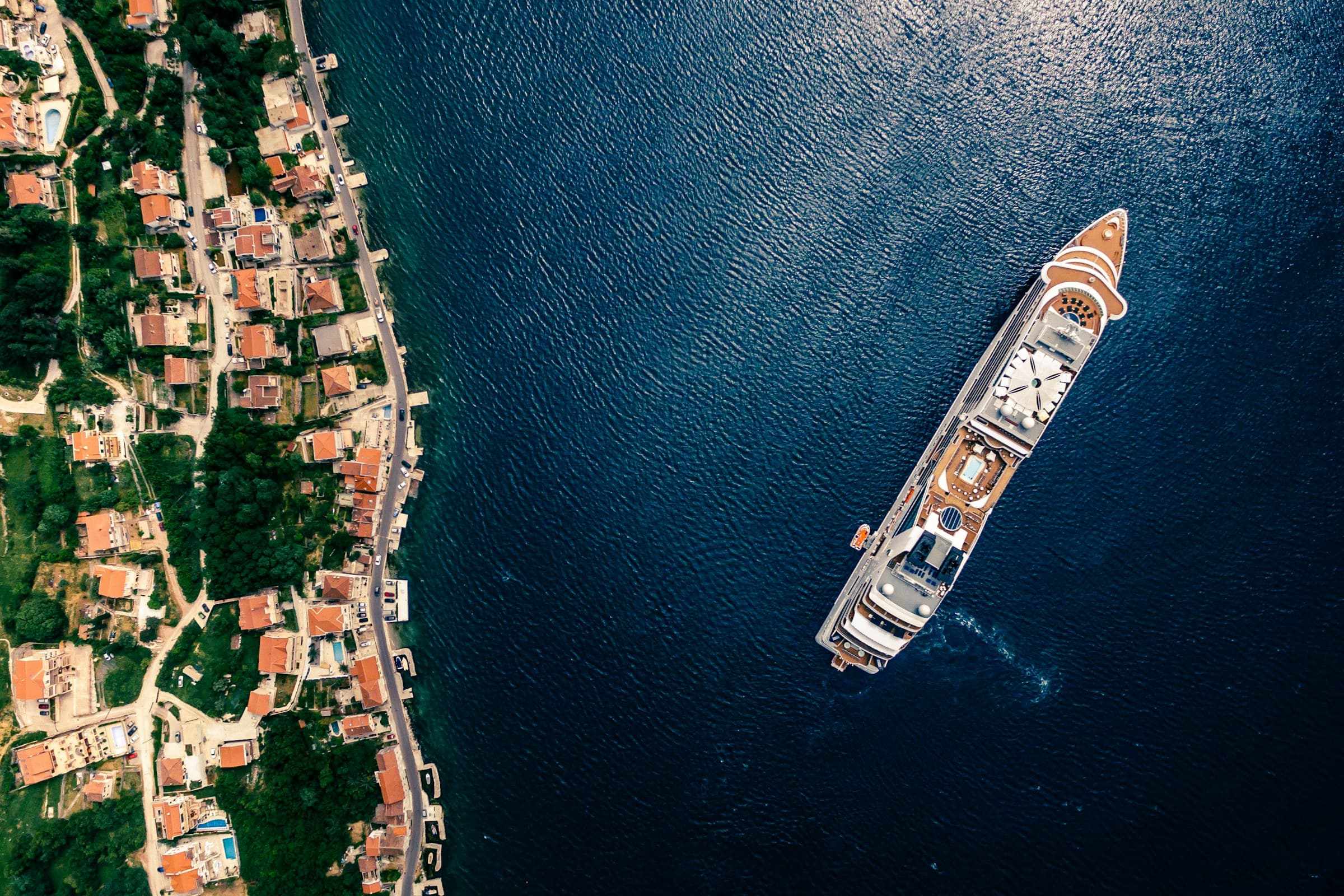
Photo: Polina Rytova on Unsplash
| Season | Typical conditions | Add to your list |
|---|---|---|
| June–September | Hot and sunny | Breathable clothes, water bottle (opens in a new tab) (paid link), after-sun |
| April–May, October | Warm days, cooler evenings | Light jacket, layers |
| November–March | Mild to cool, wetter | Waterproof jacket, closed shoes, warm layer |
For month-by-month advice from May to October and a sample 7-day list, see our full Mediterranean cruise packing list.
Most Mediterranean ports are in the EU or the Schengen area, where non-EU passports – including UK passports – must meet rules on both issue and expiry dates. The EU Entry/Exit System may also apply, depending on where you board and leave the ship. Some itineraries also call at non-EU countries with their own requirements. Check GOV.UK foreign travel advice for every country you will visit, and pack your GHIC as well as travel insurance.
What to pack for a Mediterranean cruise from the UK: a full checklist, month-by-month tips for May to October, a 7-day packing example and what to leave at home.
What to wear on a cruise formal night: outfits for men and women, P&O, Cunard, MSC and Royal Caribbean dress codes, how many outfits to pack and where to buy in the UK.
Which items are commonly banned on cruise ships – irons, kettles, extension leads, candles, drones and more – with links to official cruise-line policies.