Mediterranean Cruise Packing List
Quick answer
For a Mediterranean cruise, pack lightweight breathable clothes, strong sun protection, a sun hat, comfortable shoes for hills and cobbles, and something that covers your shoulders and knees for churches and religious sites. Between November and March, add warmer layers and a waterproof jacket. Take euros for most ports and your GHIC as well as travel insurance.
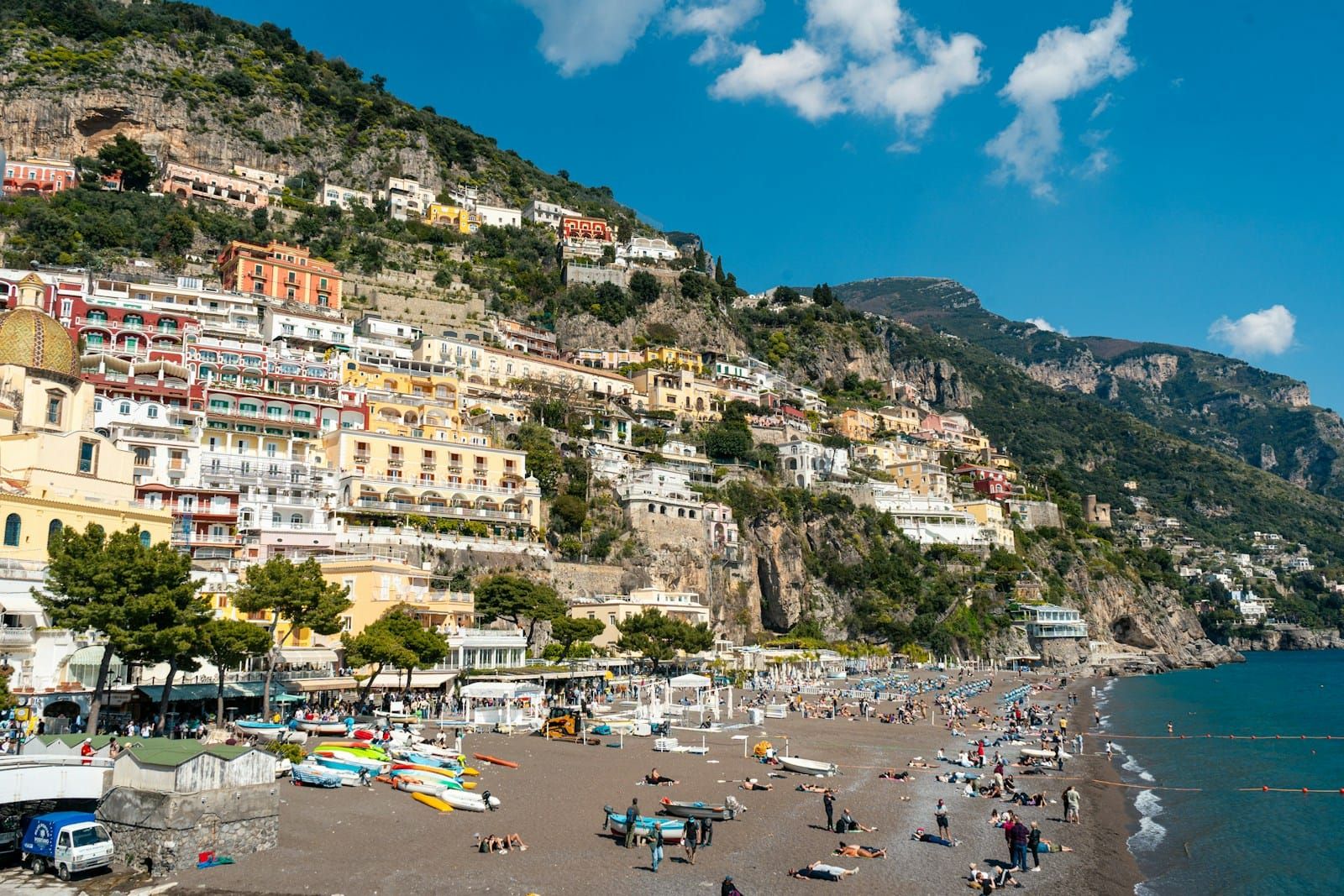
The Mediterranean is the most popular cruise region for UK travellers, and packing for it is mostly about managing sun, heat and a lot of walking. This list builds on our complete cruise packing list, so it focuses on what is different about a Med cruise.
Mediterranean weather by season
Conditions vary between the western Med (Spain, France, Italy) and the eastern Med (Greece, Turkey, Cyprus), and between the coast and inland excursions. As a broad guide:
| When you sail | What to expect | Pack the emphasis on |
|---|---|---|
| June–September | Hot and sunny; can be very hot inland and in cities | Breathable fabrics, sun hat, high-SPF sun cream, refillable water bottle |
| April–May and October | Warm days, cooler evenings, occasional showers | Layers, a light jacket, sun protection |
| November–March | Mild to cool, more rain, fewer crowds | Warm layers, waterproof jacket, closed shoes |
Check the forecast for each port in the week before you sail – it is far more useful than any average.
Clothing
- Lightweight tops in breathable fabrics such as cotton or linen
- Shorts, skirts or light trousers
- A light scarf, sarong or shirt to cover shoulders
- Trousers, a long skirt or a dress that covers the knees
- Two sets of swimwear and a cover-up
- A light cardigan or jacket for breezy evenings and air-conditioning
- Smart-casual evening outfits
- Formal wear, if your line has formal nights
Covering up for churches and religious sites
Many churches, cathedrals, monasteries and mosques around the Mediterranean ask visitors to cover their shoulders and knees, and some turn away people who don’t. This applies to some of the most visited sights on Med itineraries, including St Peter’s Basilica in Vatican City. A lightweight scarf or sarong you can carry in a day bag solves the problem without committing to long sleeves in the heat.
Shoes
- Supportive walking shoes or trainers with good grip
- Sandals for the ship and the beach
- Water shoes for pebbly and rocky beaches
- Evening shoes
Ports such as Dubrovnik, Valletta and the Greek islands involve steep streets, steps and polished stone that can be slippery. Flip-flops are rarely the right choice for a day ashore.
Sun and heat
- High-SPF sun cream, and after-sun
- SPF lip balm
- Wide-brimmed sun hat
- Sunglasses with UV protection
- Refillable water bottle
- Small day bag
- Insect repellent for summer evenings
Midday in summer is the hottest part of the day for walking tours. If you have a choice of excursions, earlier starts are usually more comfortable.
Money, documents and health
- Passport valid for every country on the itinerary
- Entry requirements checked for every country
- Travel insurance that covers cruising
- UK GHIC or EHIC, if you’re eligible
- Euros in small notes for most ports
- A payment card with low foreign-transaction fees
Most Mediterranean cruise ports are in the EU or the Schengen area, where non-EU passports – including UK passports – must meet rules on both the issue date and the expiry date. Entry requirements depend on your passport and nationality, so check the latest GOV.UK travel advice for each country before you travel.
EU Entry/Exit System (EES): EES is in operation and may involve fingerprints and a photo at the Schengen border for non-EU travellers, including British citizens. GOV.UK says cruises that start and finish outside the Schengen area – for example, at a UK port – are usually exempt for day visits ashore, but you may need EES checks if you board or leave the ship in the Schengen area. Your cruise line will explain what happens on your sailing. For the current status of ETIAS, the planned EU travel authorisation, see the table below.
A UK GHIC may help if you need state treatment in a hospital ashore, but it does not cover treatment in the ship’s medical centre, so you still need travel insurance.
Some ports, such as those in Turkey, Montenegro, Albania or North Africa, are outside the EU and have their own entry requirements and currency. Check each country on your itinerary.
Tender ports
Some Med ports – Santorini is a well-known example – are served by tender boats rather than a quayside berth. You may need to step between a moving boat and a pontoon, so shoes with good grip and a bag that leaves your hands free are useful.
Mediterranean cruise checklist at a glance
| Category | Must-haves |
|---|---|
| Documents | Passport, cruise documents, insurance, GHIC, euros |
| Day wear | Breathable tops, shorts or skirts, a cover-up for churches |
| Evening | Smart-casual outfits, formal wear if required |
| Shoes | Walking shoes, sandals, water shoes, evening shoes |
| Sun | SPF 30+ sun cream, hat, sunglasses, water bottle |
| Extras | Day bag, dry bag for beach days, travel adapter |
Build your own version
Your list should look different in July than in February, and different again if you are flying to Barcelona rather than sailing from Southampton. The packing planner adjusts for your month, cruise length, formal nights, travel and activities. You can also browse the Mediterranean destination page.
Sources
Travel authorisations and border checks at a glance
These systems don’t apply to everyone. Whether you need one depends on your passport and nationality, residence status, the ports you visit and any countries you travel through. The table summarises official guidance, last checked on. Rules can change, so check the official source before you travel.
| System | What it is | Who it may apply to | Official source |
|---|---|---|---|
| ESTAUnited StatesIn operation | The Electronic System for Travel Authorization (ESTA) is used by eligible Visa Waiver Program travellers visiting or transiting through the United States, including arrivals by cruise ship. | Travellers whose passport is eligible for the Visa Waiver Program. Others may need a US visa instead. Eligibility depends on nationality and personal circumstances. | US Customs and Border Protection – ESTA |
| eTACanadaIn operation | Canada’s electronic travel authorization (eTA) is for eligible visa-exempt travellers flying to, or transiting through, a Canadian airport. | Visa-exempt travellers arriving by air. According to Canada.ca, an eTA is not needed when arriving by land or sea, including by cruise ship – but some nationalities need a visitor visa however they arrive. | Canada.ca – check if you need a visa or eTA |
| UK ETAUnited KingdomIn operation | The UK Electronic Travel Authorisation (ETA) is permission to travel for eligible visitors coming to the UK who do not need a visa. | Not needed by British or Irish citizens, or by people who already have permission to live, work or study in the UK. Other travellers returning to the UK at the end of a cruise should check GOV.UK. | GOV.UK – when you do not need an ETA |
| EESSchengen areaIn operation | The EU Entry/Exit System (EES) has been in operation since 12 October 2025. It records non-EU travellers’ entries and exits at Schengen borders, which can include taking fingerprints and a photo. There is no fee and nothing to apply for in advance. | Non-EU travellers on short stays, including British citizens using a UK passport. GOV.UK says cruises that start and finish outside the Schengen area (for example, at a UK port) are usually exempt for day visits, but checks may apply if you board or leave the ship in the Schengen area. | GOV.UK – EU Entry/Exit System |
| ETIASSchengen areaNot yet in operation | ETIAS, the planned European Travel Information and Authorisation System, is not currently in operation and is not accepting applications. GOV.UK says no action is required from travellers at this point. | When it launches, it is expected to apply to visa-exempt non-EU travellers, including British citizens. No confirmed start date has been published – check the official EU website before you travel, and ignore any site that asks you to apply now. | European Union – ETIAS |
Always check GOV.UK foreign travel advice for the entry requirements of every country on your itinerary, and your cruise line’s own boarding-document requirements.
Cruise-line policies and entry requirements change. We link to official sources where we discuss rules, but always check with your cruise line andGOV.UK before you travel. Spotted something out of date?Let us know.